Human Performance Technology (ETEC 651), Winter 2021
This project was my course work in Human Performance Technology class in winter 2021. In this course project, I have produced:
Toward the Culture of Reading Together Campaign
- Performance Needs Analysis (PNA)
- High Level Design (HLD)
- Detailed Design (DD)
Brief Introduction of the Project
- Subject: Performance at OSSLT (Ontario Secondary School Literacy Test)
- Sponsor: A school literacy lead at a high school in rural Ontario
- Background: All grade 10 high school students in Ontario must pass OSSLT to graduate high school. The current supporting program at the target school is not effective.
- The Request: Developing a performance improvement campaign
Summary of PNA
- According to the interview with the literacy lead, the area that teachers struggle the most is motivating students.
- Cause analysis and the related studies show the most effective way to motivate students pursue academic success is by nurturing a healthy relationship between the students and teachers.
- Many of the recent studies show the close correlation between academic success and culture of pleasure reading in students.
Summary of HLD
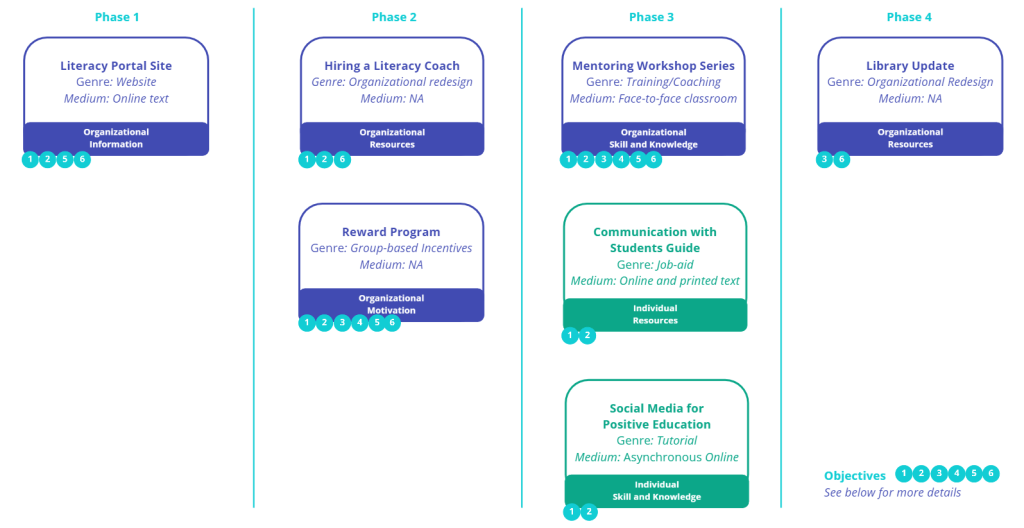
Summary of DD

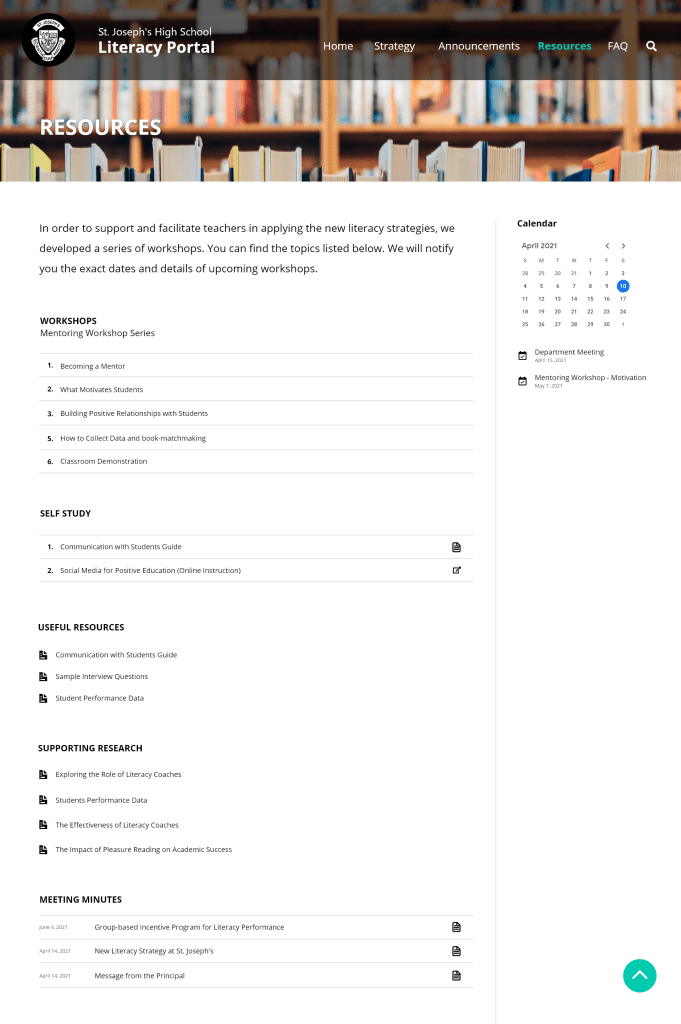
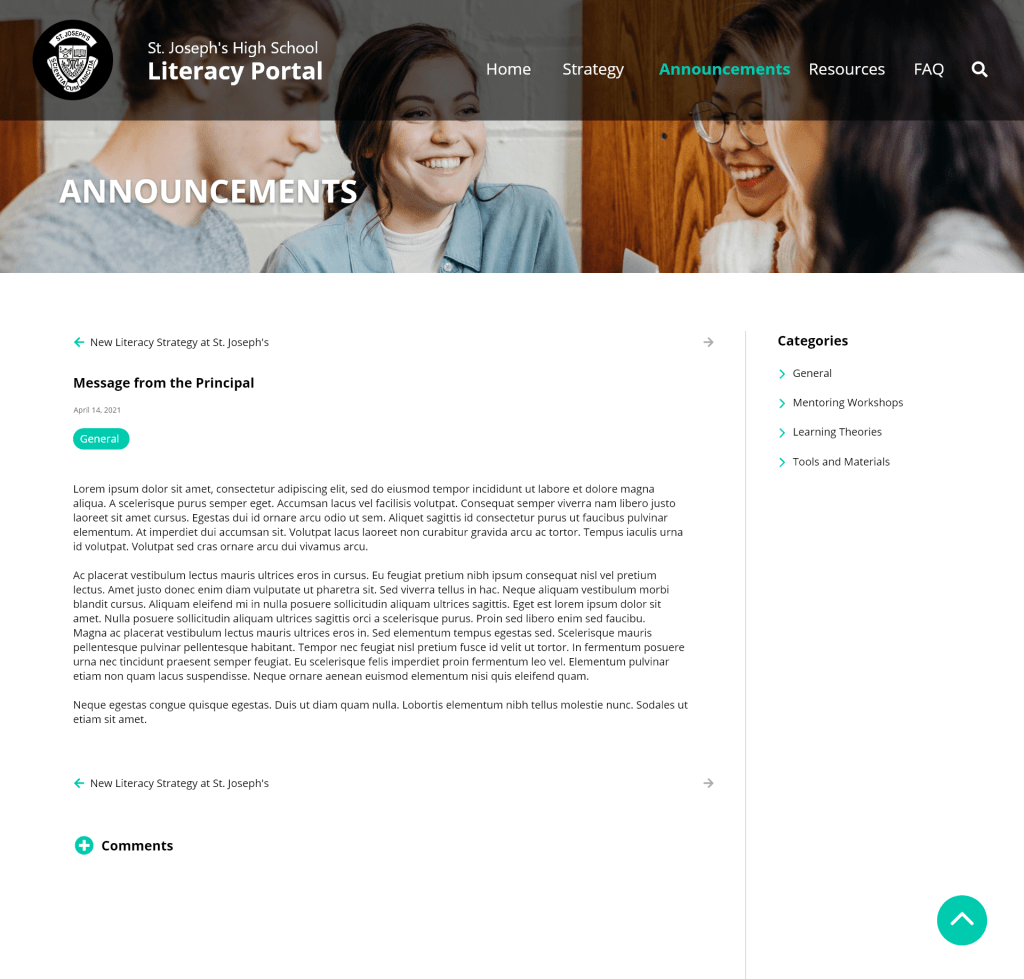


My reflection on the project
Working on the Performance Improvement Campaign has been an exciting journey. As it was the second time writing a Need Analysis after the Fundamentals of Instructional Design class in the previous year, I gained much more confidence in producing one. I struggled much with my first Need Analysis last year because I was not familiar to academic writings. Thanks to the past year of reading extensive amount of academic reading in learning theory, I find myself more comfortable and enjoying writing one now. Moreover, I find working on a PNA much more exciting than merely focusing on instructional interventions.
The most interesting part of this project was working on the cause analysis using many different matrix. Because it was helpful for the work, but also, I could immediately apply to my performance in everyday living. Using these matrix in small life problems around me, I experienced my view on problems changed. I realized that we fail to notice many important causes to a problem by jumping to finding solutions in haste. This exercise taught me to look at a problem in a various angles thoroughly and broadly before prescribing a solution.
One of the challenges I had was producing the Detailed Design. Since this project was a course project which is not a real world problem, however, everything had to be designed in detailed steps focusing on the performer’s environment, I found it lacking the reality in my design. Having more feedback from the performers’ perspective would have helped.

 June Kim Design